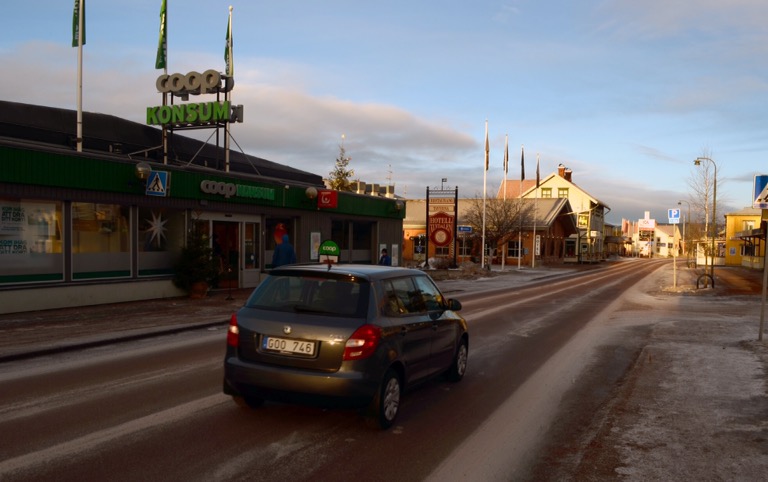
Top photo: Main thoroughfare of Älvdalen municipality called Dalgatan, credit: Björn Rehnström
Elfdalian is a minority language spoken in Sweden.
- There are approximately 2,500 speakers of Elfdalian.
- Like most other languages in Scandinavia, it is a North Germanic language.
- It developed from Old Norse, the language of the Vikings.
Elfdalian is not recognized by Sweden as a separate language, but instead as a dialect.
- However, in 2005, Ulum Dalska launched a campaign to get the language recognized as a minority language by the Swedish government. This is an ongoing effort that continues to this day.
- It meets the standard of mutual intelligibility which is used to define it as its own language, instead of just a dialect.
- It is classified with other Dalecarlian dialects, which are mutually unintelligible from Swedish.
However, it recently got its own ISO code.
- The ISO code for Elfdalian is ‘ovd’.
- This change became official on May 24, 2016.
Due to its relative isolation over centuries, it retains many features of Old Norse not found in the other North Germanic (Scandinavian) languages.
- It has nasal vowels that are represented by an ‘ogonek’ (nasal hook). Example: Ą̊ą̊
- There is no vowel lengthening in open syllables.
- Germanic runes were used to write the language until at least 1900.
Ulum Dalska was formed in 1984 to preserve the Elfdalian language.
- ‘Ulum Dalska’ translates as ‘We have to speak Elfdalian’.
- In 2016, it was decided that the local kindergarten would teach in Elfdalian.
Below is a sample of Elfdalian language:
If you are interested in learning the language, there is a book available to go along with the video:
However, the language of instruction in the book is Swedish. For English speakers, I have created a modified translation (I simplified the grammar section) of the first chapter below:
- Vocabulary for pages 14-15 (for scripts on pages 12-13)
- Chapter 1 grammar
- Vocabulary for Mumunes Masse on page 18
- Chapter 1 exercises
January 2025 edit: The plan is to upload the rest of it soon in one, organized file once I have approval from the original authors (that is of the original created in Swedish and Elfdalian).
Last, but not least, here are some more pictures of Älvdalen, where the Elfdalian language is still spoken by many. These pictures were taken by Björn Rehnström, a local resident.
The Main Street featuring Älvdalen’s local cinema which dates to 1906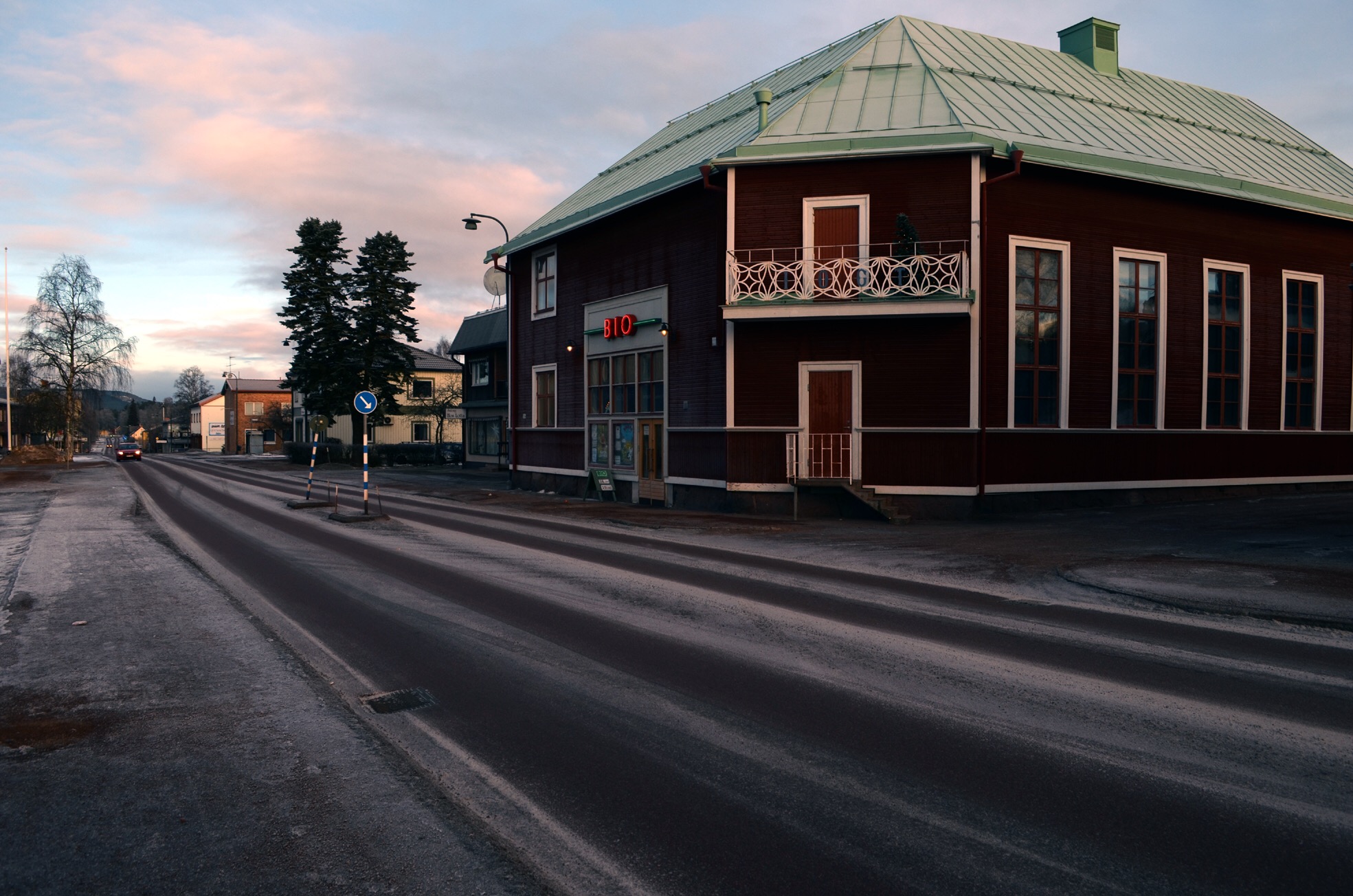
Former train station in Älvdalen, now a bus station and tourism bureau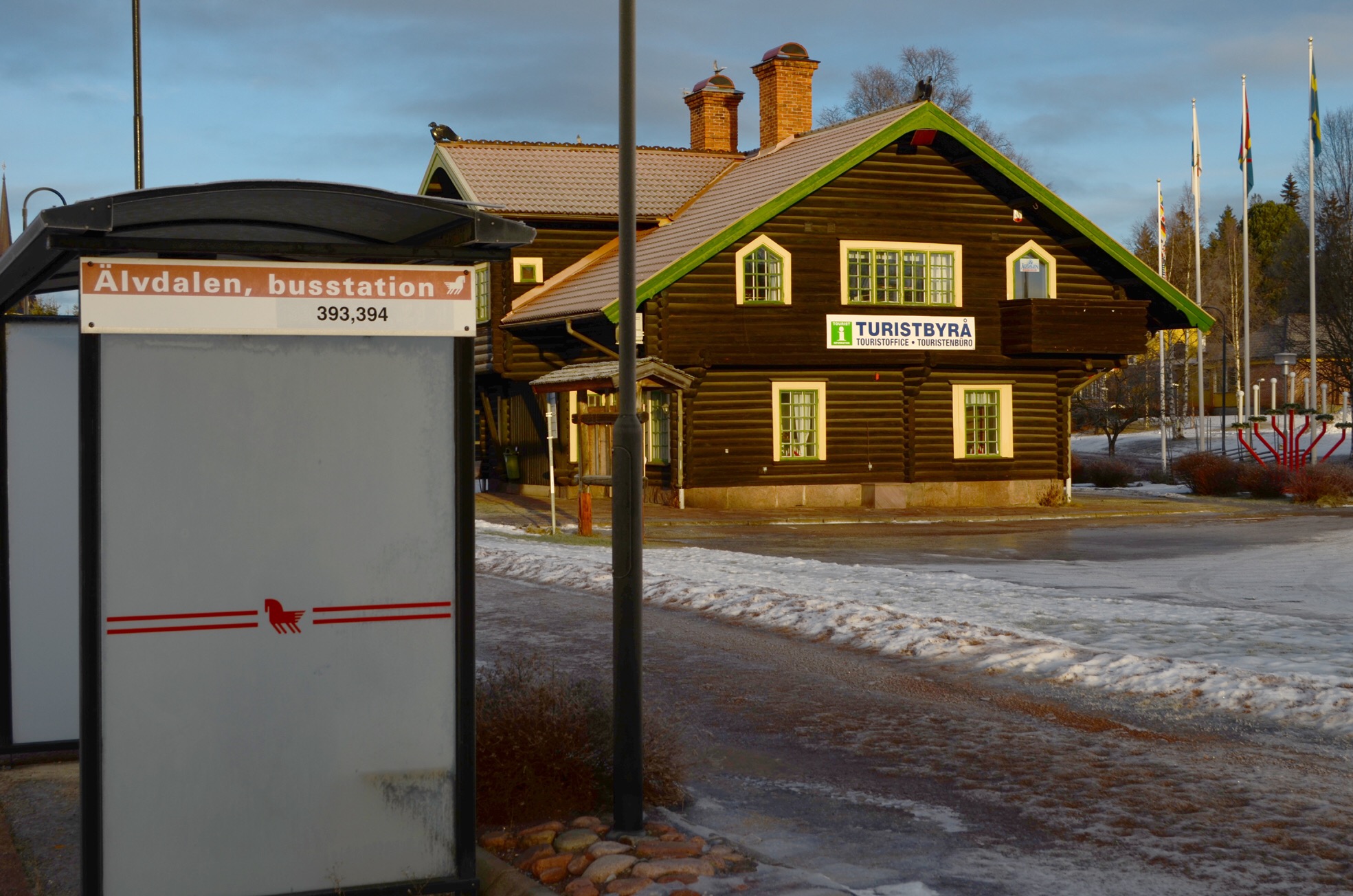
Former factory area with Hagströms and Porfyrmuseet in the background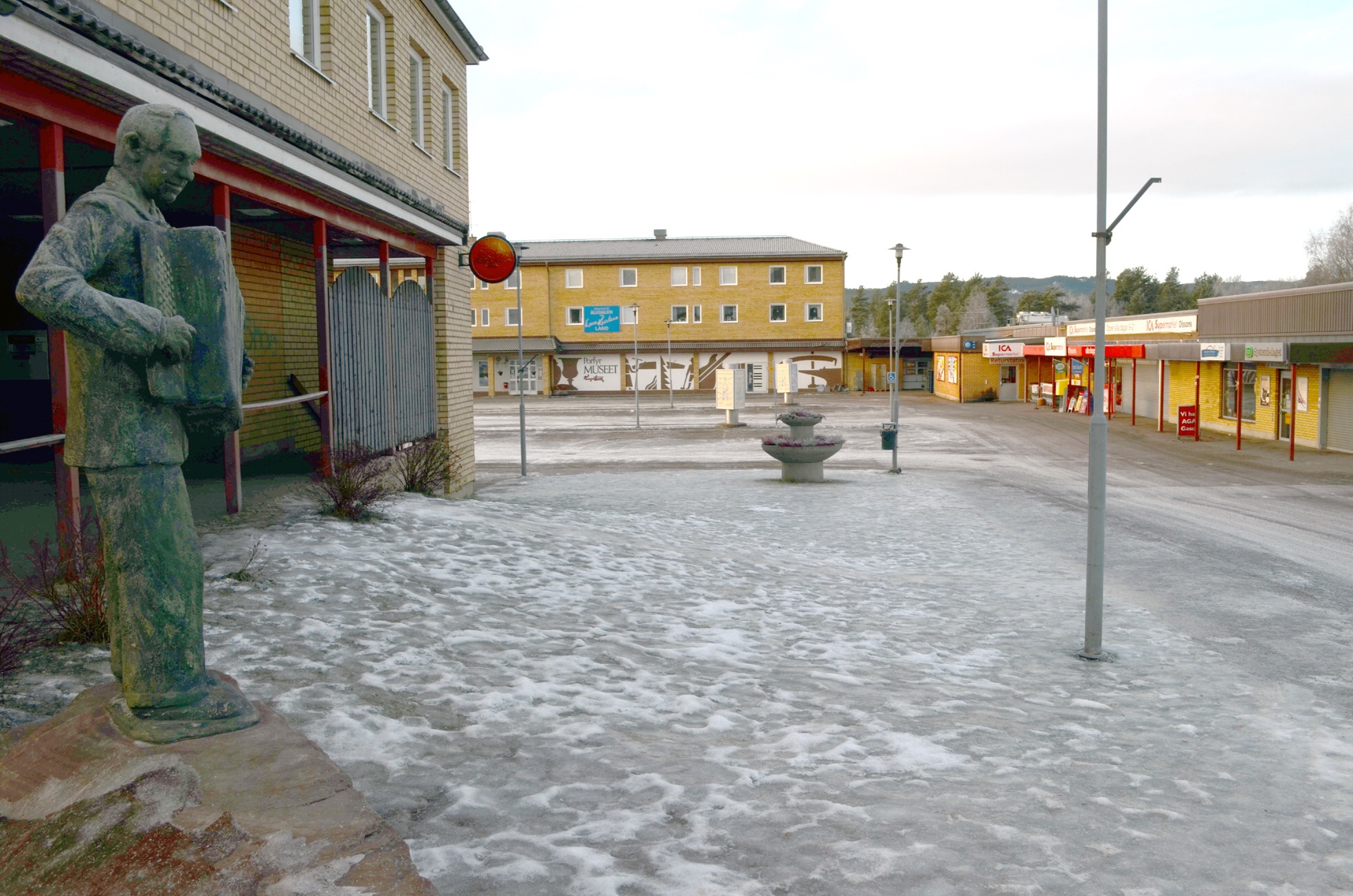
Church in Älvdalen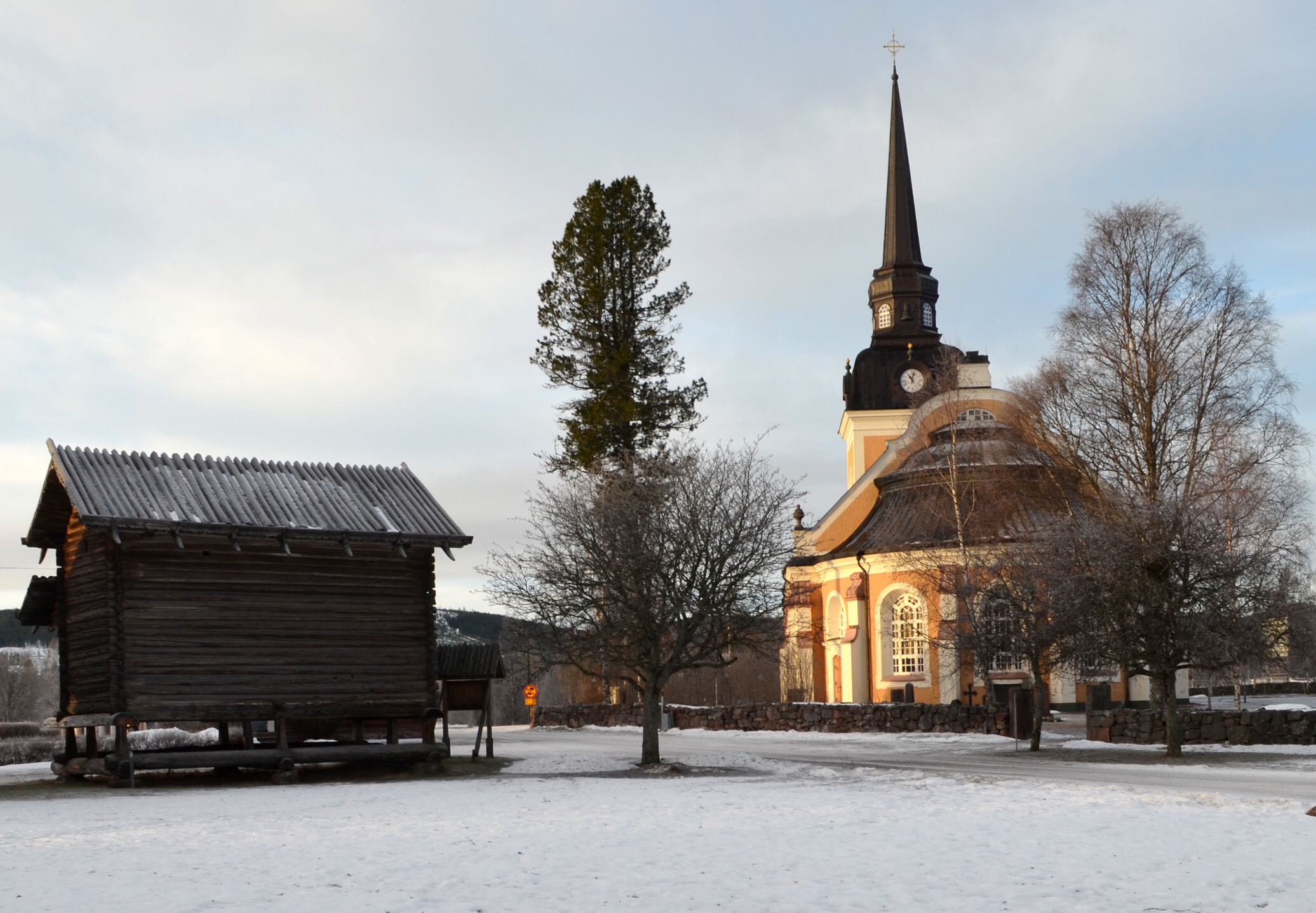
Älvdalen’s Tinghus on the main street, Dalgatan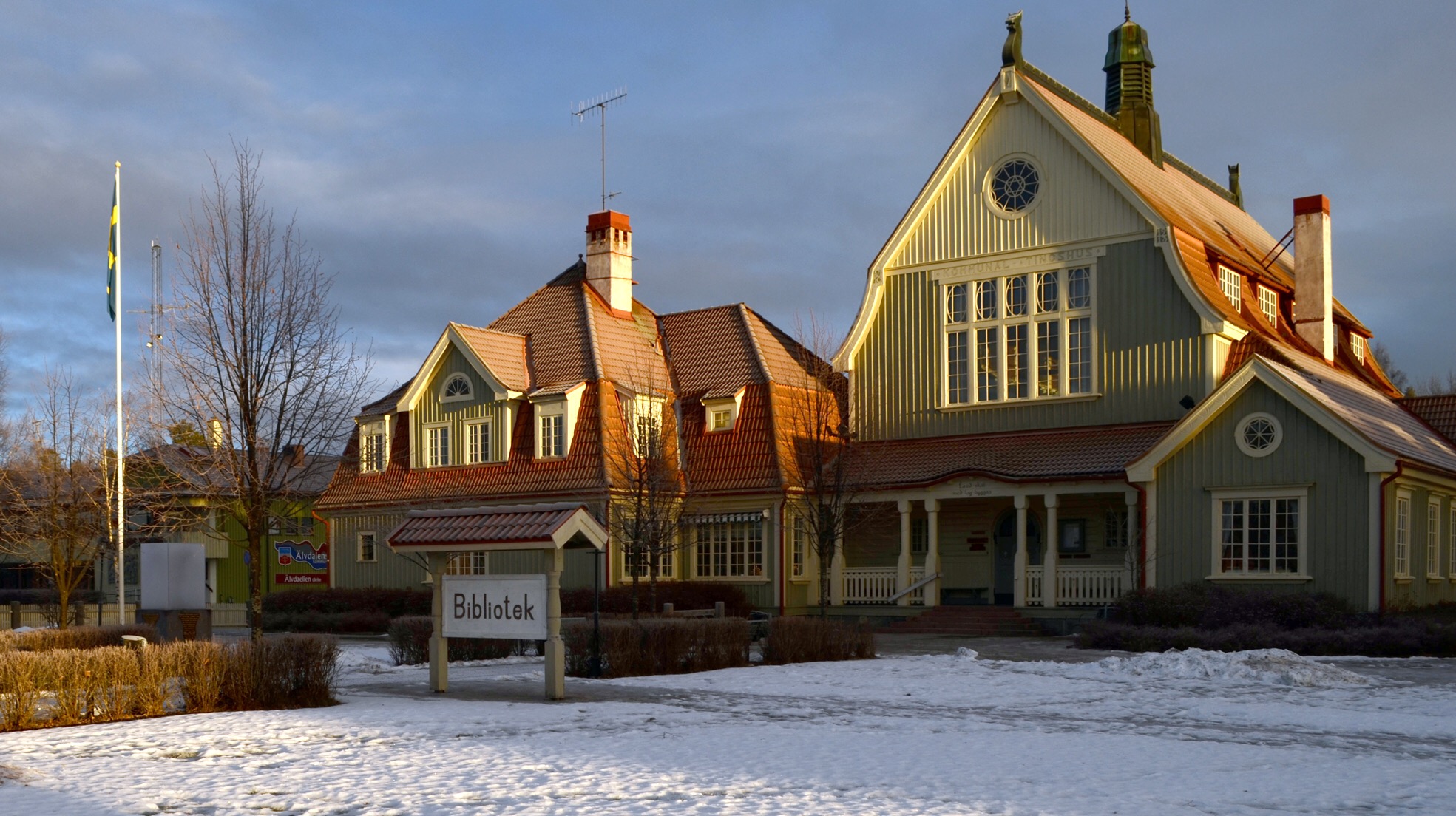
References
http://theconversation.com/fight-on-to-preserve-elfdalian-swedens-lost-forest-language-41642
https://en.wikipedia.org/wiki/Elfdalian
http://www-01.sil.org/iso639-3/documentation.asp?id=ovd
http://www.ulumdalska.se/ (Swedish)
 Polyglot in Progress