
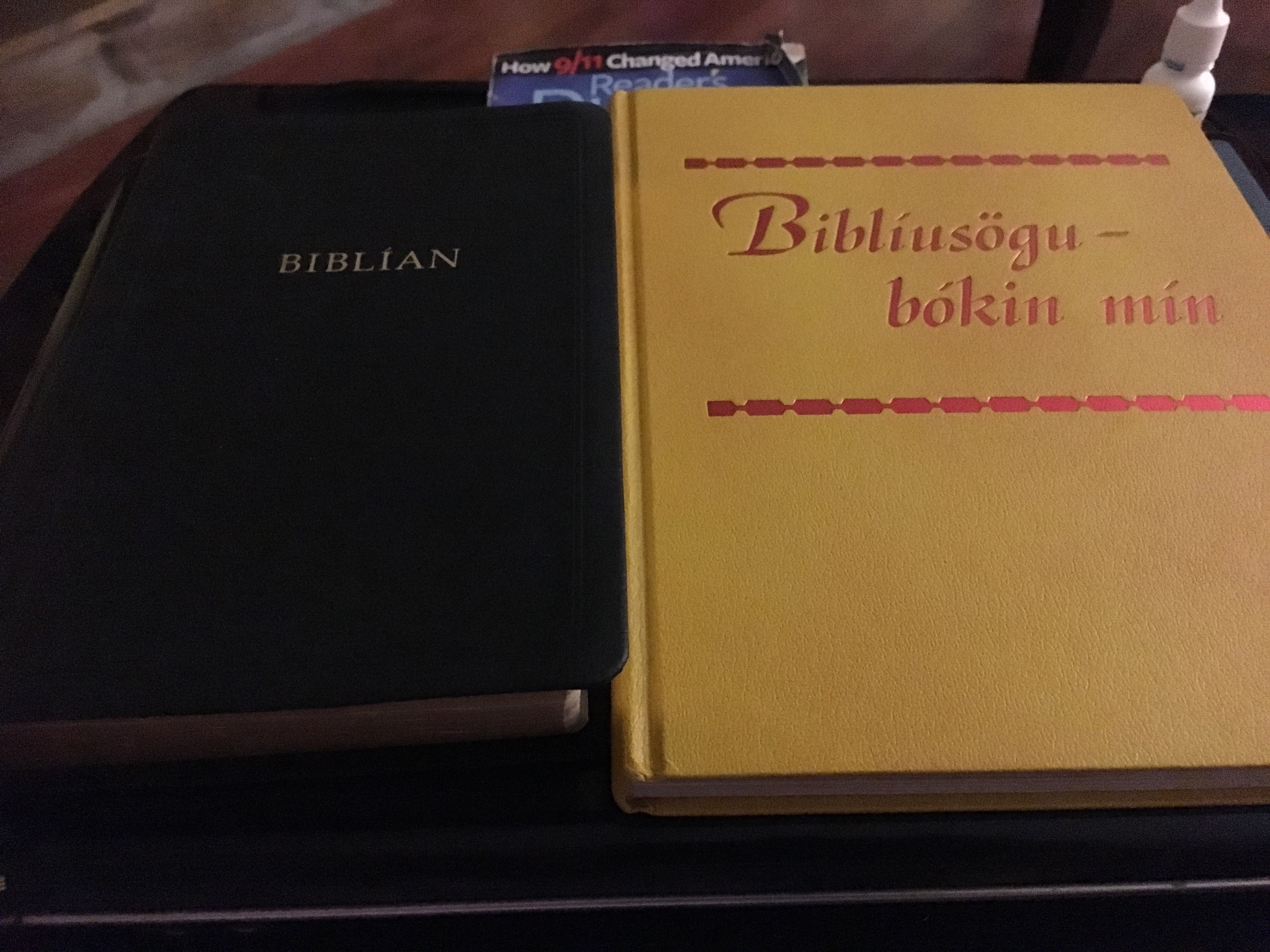
In order to learn a language well, it is not enough to simply choose a language learning book, regardless of how ‘comprehensive’ it claims to be, not even if you memorize all the vocabulary and do every single exercise. Even if you study multiple books in a particular language, you may still discover that when actually trying to use the language (such as when traveling or chatting online with a friend), your mind goes totally blank. I can say that from experience.
You may have heard this before, but to learn a language you truly have to live it. I’m not saying that you have to travel to a specific country to learn a language. Of course it wouldn’t hurt to do so, but many of us don’t have that kind of money to do that every time we want to improve our language skills. (Anyone that knows me personally knows that I often barely even have enough money to leave my home 😛 .) But there is a way to immerse yourself in a language without leaving your home. In fact, even if you can’t find a native speaker to practice regularly with, there is something that will help you get comfortable with the natural use of the language. It’s called reading.
This doesn’t mean I’m suggesting you buy whatever language version of some classic novel that you never really were interested in reading in English (or whatever your native language is), anyway. Besides, you will likely get discouraged if you start with a rather difficult book. I suggested starting with children’s books. But not too childish – just choose a book or magazine with vocabulary that is slightly above what you can easily read. The idea is to challenge your brain, but not overdoing it so that you give up. The ideal book contains paragraphs in which you understand all except for one or two words. If you read constantly (preferably most days per week) at this level, you will start to pick up vocabulary from the context. Also, reading everyday books in your target language is a great way to pick up idioms and other language bits that can’t be translated literally.

